



The internet moves fast. One moment a name quietly exists in the background of public memory, and the next, it’s trending across feeds, search bars, and group chats nationwide. That’s exactly what’s happening with amy sherrill. Searches have spiked, curiosity is building, and thousands of Americans are asking the same question: why now?
In an age driven by social media rediscovery and viral timelines, amy sherrill has suddenly re-entered the spotlight. But beyond the headlines and resurfaced photos lies a layered story about privacy, fame by association, and the unexpected ways digital culture reshapes personal narratives. Here’s what you need to know.
Why Amy Sherrill Is Trending Again
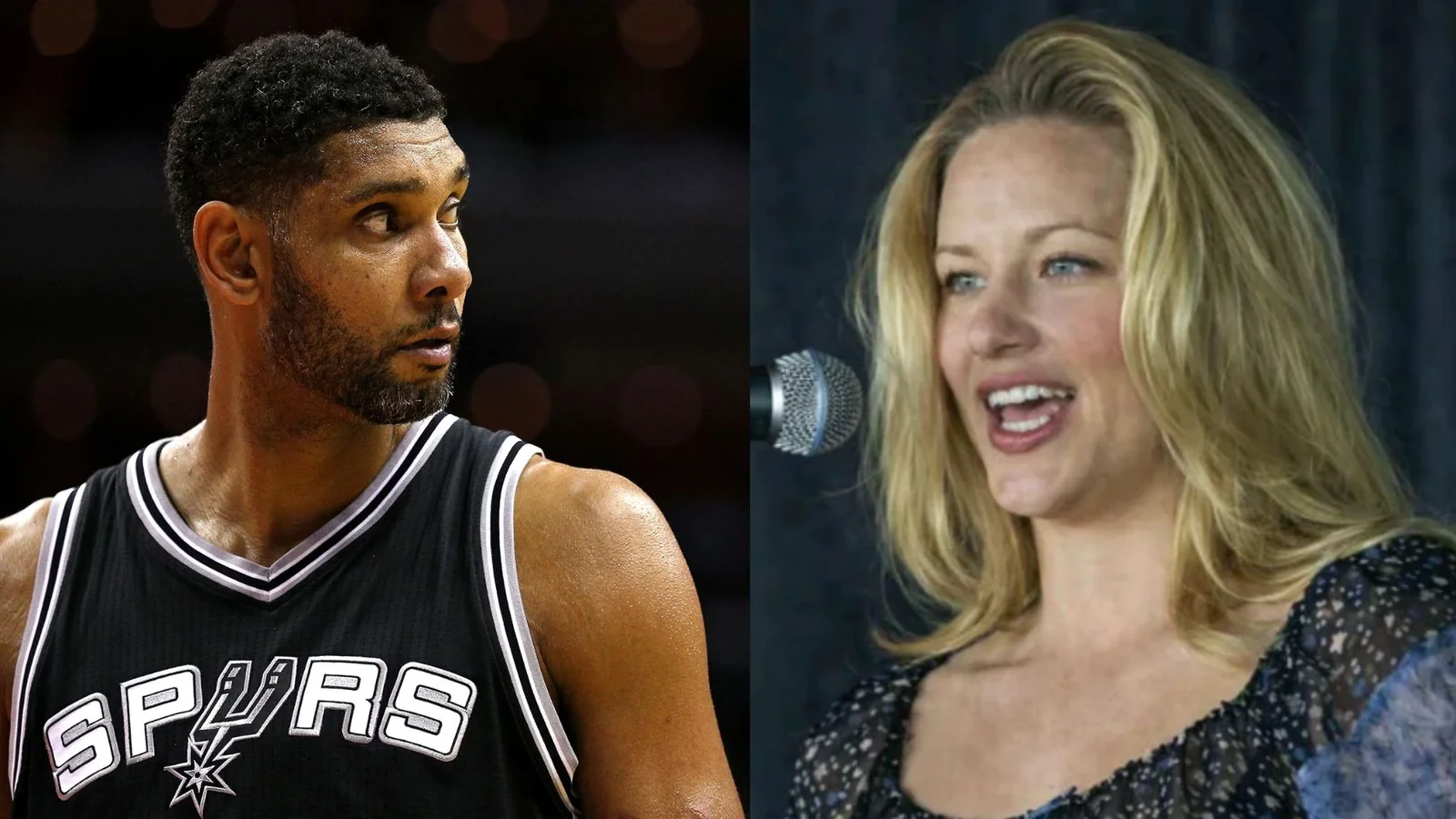
Over the past week, search trends across the United States show a sharp increase in interest around amy sherrill. According to digital analytics platforms, her name saw a dramatic spike in Google queries, largely fueled by renewed conversations surrounding former NBA star Tim Duncan and nostalgic discussions about early-2000s sports culture.
As younger audiences discover iconic sports figures through documentaries, highlight reels, and throwback content, attention often extends to their personal lives. In this case, amy sherrill, known publicly as Tim Duncan’s former wife, has become part of that rediscovery. Viral clips, retrospective posts, and podcast debates about legendary NBA careers have pushed her name back into public view.
A Look Back at Her Connection to Tim Duncan
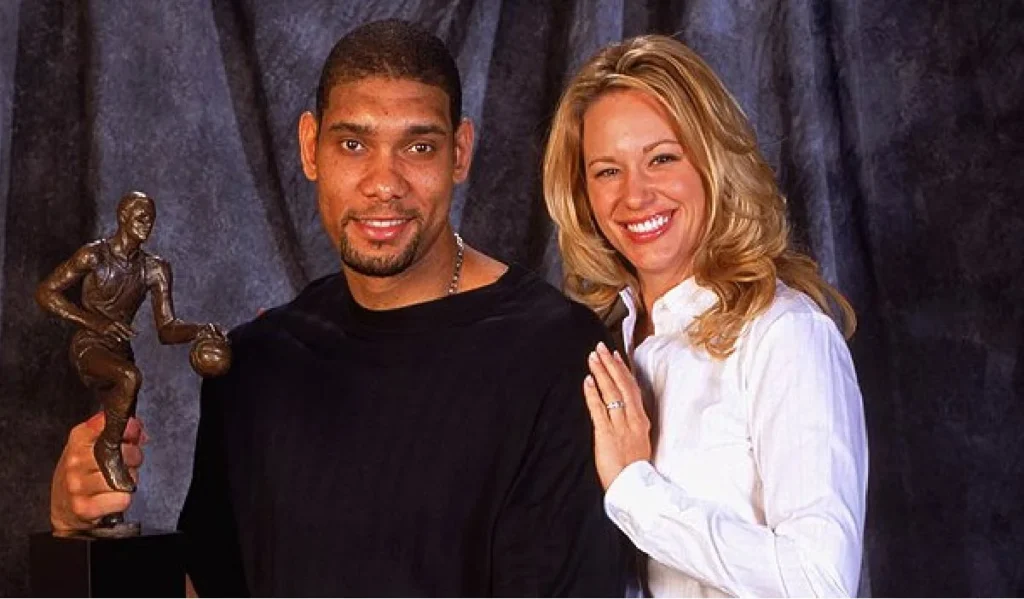
For many Americans, amy sherrill first entered the public eye through her marriage to NBA legend Tim Duncan. During Duncan’s dominant years with the San Antonio Spurs, the couple maintained a relatively private life compared to other high-profile sports marriages.
They married in the early 2000s, at the height of Duncan’s championship success. While he collected titles and MVP honors, amy sherrill largely stayed away from media attention. Unlike many partners of professional athletes, she rarely sought the spotlight, which makes the current surge of curiosity even more intriguing.
Their eventual divorce in 2013 attracted media coverage, particularly because of Duncan’s status as one of the most respected figures in basketball. Yet even during that time, amy sherrill avoided interviews and public statements, reinforcing a pattern of privacy that continues today.
The Power of Digital Nostalgia
One of the driving forces behind the renewed interest in amy sherrill is digital nostalgia. Streaming platforms and sports networks have been revisiting classic NBA eras, spotlighting dynasties like the San Antonio Spurs. When fans revisit the past, they often explore every detail — including personal histories.
Short-form video platforms amplify this effect. A single viral clip referencing Tim Duncan’s personal life can trigger millions of searches within hours. Data from recent trend trackers shows how even minor mentions in podcasts or social media threads can cause name recognition to surge dramatically.
This phenomenon isn’t unique to amy sherrill. In fact, digital rediscovery has become a recurring pattern. Public figures from decades past are regularly pulled back into online conversations, sometimes without their direct involvement. It reflects a broader shift in how fame operates in the algorithm era.
Privacy in the Age of Viral Curiosity
What makes the amy sherrill trend especially compelling is her long-standing absence from public platforms. Unlike many individuals linked to celebrities, she does not maintain a high-profile media presence. There are no active public interviews, promotional appearances, or tell-all memoirs shaping her narrative.
In today’s hyper-connected world, that level of privacy is rare. Public curiosity often clashes with personal boundaries, especially when someone’s identity is tied to a well-known sports figure. The renewed spotlight raises questions about how much of a private citizen’s life should remain off-limits, even if they were once connected to a global sports icon.
Legal experts frequently note that digital footprints can resurface years later, regardless of a person’s intent to remain private. Amy sherrill’s current trending status highlights how the internet preserves and recirculates past chapters indefinitely.
Media Cycles and the Rewriting of Personal Stories
Trending topics rarely tell the full story. Media cycles often compress complex lives into simplified headlines. In the case of amy sherrill, much of the online discussion centers on her former marriage rather than her individual identity or accomplishments outside that relationship.
This pattern mirrors a broader issue in celebrity-adjacent reporting. Women connected to famous athletes or entertainers are often defined by that association. Yet behind every trending name is a multidimensional life, shaped by experiences that extend far beyond public speculation.
Journalists and cultural commentators increasingly emphasize responsible storytelling. As search interest grows, the question becomes whether coverage will remain respectful and balanced — or fall into sensationalism driven by clicks.
The Cultural Fascination With Athlete Relationships
America has long been captivated by the personal lives of sports stars. From high-profile marriages to headline-making divorces, athlete relationships often generate as much buzz as championship games. The renewed attention surrounding amy sherrill fits squarely within this cultural pattern.
Research from sports media analysts suggests that stories involving relationships can generate up to 30 percent more engagement than performance statistics alone. Audiences crave human narratives. They want to understand the personal dynamics behind greatness, the emotional backdrop of career milestones, and the private realities behind public triumphs.
However, that fascination can blur boundaries. When individuals like amy sherrill trend years after stepping away from public view, it underscores how persistent that curiosity can be.
How Social Media Amplifies Search Surges
Social platforms play a central role in modern trend cycles. A single influencer mention, viral tweet, or podcast snippet can propel a name into national conversation. Algorithms prioritize engagement, and once users begin searching for amy sherrill, the cycle feeds itself.
Google Discover, in particular, responds to sudden spikes in interest by surfacing related content. This creates a feedback loop: curiosity drives clicks, clicks generate visibility, and visibility fuels more curiosity. Within hours, a relatively quiet name can dominate search trends across multiple states.
Digital analysts predict that such rediscovery cycles will only increase. As archives expand and nostalgia-driven content thrives, more past figures will reappear in trending charts unexpectedly.
What We Actually Know — And What We Don’t
Despite the spike in attention, verifiable public information about amy sherrill remains limited. She has not issued recent statements, launched public projects, or engaged in media commentary. Much of what circulates online stems from older reports tied to her marriage and divorce.
That absence of fresh information has not stopped speculation. Yet responsible coverage requires distinguishing confirmed facts from online assumptions. At present, there is no evidence of new developments directly involving her. The trend appears largely driven by renewed interest in historical narratives rather than current events.
This distinction matters. Trending does not always equal breaking news. Sometimes it reflects collective memory being revived by algorithms and cultural cycles.
The Broader Conversation About Digital Permanence
The amy sherrill trend speaks to a larger cultural reality: nothing online truly disappears. Even years after stepping away from public life, individuals can find themselves back in headlines because of shifting digital currents.
Experts in media psychology argue that this constant resurfacing reshapes how society views privacy. The boundary between public and private becomes increasingly fragile. While celebrities often expect scrutiny, those connected to them may not anticipate lifelong visibility.
As artificial intelligence, search optimization, and recommendation systems evolve, these rediscovery moments may grow more frequent. What feels surprising today could become routine tomorrow.
Where the Story Goes From Here
Will interest in amy sherrill fade as quickly as it appeared? Most trend cycles follow predictable arcs. Search spikes rise sharply, plateau briefly, and gradually decline. Unless new information emerges, this wave of attention will likely settle within days or weeks.
Still, the episode leaves lasting questions about digital culture. It reminds us how easily past narratives can re-enter the present and how quickly curiosity spreads in a connected society.
For readers, the key takeaway is balance. Curiosity is natural. But so is respect for privacy and context. As online conversations continue, understanding the broader forces behind trends can help us navigate them thoughtfully.
