



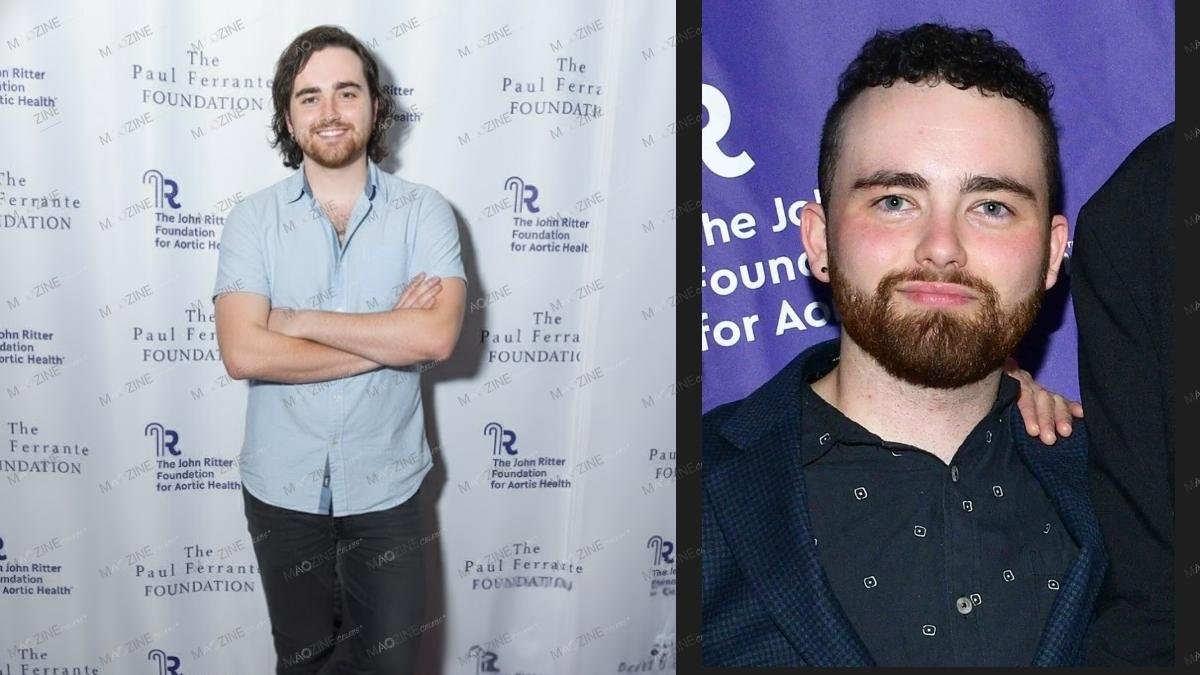
The internet never forgets—but sometimes, it finally listens. Over the past few days, searches for noah lee ritter have surged across the United States, pushing the name into trending territory on Google Discover and social media feeds. For many Americans, curiosity started with a familiar Hollywood connection. But what they found was something far more powerful: a deeply human story about identity, privacy, and resilience in the public eye.
As conversations about gender identity grow louder nationwide, the renewed spotlight on noah lee ritter is more than celebrity gossip. It’s a reflection of how society is evolving—and how personal journeys are increasingly unfolding in digital headlines. Here’s what’s happening, why it matters, and what it reveals about America right now.
Why Noah Lee Ritter Is Trending Across the United States
Search analytics show a noticeable spike in interest around noah lee ritter this week, particularly among audiences aged 18–34. The renewed attention appears tied to resurfaced interviews and growing discussions about transgender representation in Hollywood families. In an era where identity conversations move at lightning speed, it only takes one viral post or trending topic to ignite national curiosity.
Unlike many celebrity stories driven by scandal, this moment feels different. The conversation surrounding noah lee ritter is centered on understanding, personal growth, and visibility. As Google Discover prioritizes stories that spark emotion and engagement, readers are clearly searching for more than background facts. They want context, authenticity, and clarity about who Noah is today and what his journey represents.
A Hollywood Legacy Few Can Ignore
Noah Lee Ritter was born into one of Hollywood’s most recognizable families. He is the child of the late actor John Ritter, beloved for his role in the iconic sitcom Three’s Company. Growing up connected to a television legend meant living with both privilege and pressure. Fame has a long memory, and so does the public.
His mother, Amy Yasbeck, also built a successful acting career, further anchoring the family in Hollywood culture. That background has always fueled public curiosity about their children. Yet, despite the spotlight, noah lee ritter has consistently maintained a remarkably private life. That choice—to step away rather than chase fame—has only intensified interest over time.
The Personal Journey Behind the Headlines
Years ago, reports confirmed that Noah transitioned and began living openly as male. While the public discussion initially circulated through entertainment blogs and social platforms, it eventually became part of a larger cultural conversation about transgender identity. Today, as debates about gender rights dominate news cycles in multiple states, interest in noah lee ritter has reemerged with new urgency.
What stands out most is the absence of self-promotion. Unlike many public figures who monetize personal narratives, noah lee ritter has largely avoided interviews and media tours. That silence speaks volumes. In a culture obsessed with oversharing, choosing privacy is radical. It also reinforces the idea that identity is personal—not public property for endless commentary.
Representation and the Changing American Conversation
The surge in attention comes at a time when transgender visibility is at historic highs in the United States. According to recent surveys, younger generations show significantly greater support for LGBTQ+ inclusion compared to previous decades. Hollywood, once slow to adapt, is gradually expanding its portrayal of gender-diverse characters and real-life stories.
Although noah lee ritter has not positioned himself as an activist or spokesperson, his existence in a prominent Hollywood lineage challenges outdated narratives. Representation does not always require a microphone. Sometimes, it simply means living authentically. And in 2026, authenticity carries cultural weight. The renewed attention suggests audiences are reexamining older stories through a more informed and compassionate lens.
Privacy in the Digital Age: A Rare Boundary
One of the most compelling aspects of the noah lee ritter story is the firm boundary around personal life. In today’s social media-driven world, many celebrity families maintain constant online visibility. Yet Noah has chosen minimal digital presence. That decision may be the most powerful statement of all.
The digital age often blurs lines between public interest and personal intrusion. When trending searches spike, it can feel invasive. However, this moment also raises important questions about media ethics. Should every detail of a celebrity child’s life become searchable content? Or is there space for respect? The way audiences respond now could shape how similar stories are handled in the future.
How Social Media Amplified the Trend
Trending data indicates that short-form video platforms played a major role in the current spike. Viral clips referencing John Ritter’s legacy led viewers down search rabbit holes. Soon, noah lee ritter became a breakout keyword across multiple search engines.
This pattern highlights how quickly narratives resurface in 2026. Algorithms reward emotional resonance. A nostalgic clip of a beloved TV father can easily transition into curiosity about his family today. The difference now is that conversations unfold faster and reach wider audiences within hours. For better or worse, social media ensures that no trending topic stays contained for long.
The Broader Impact on Hollywood Families
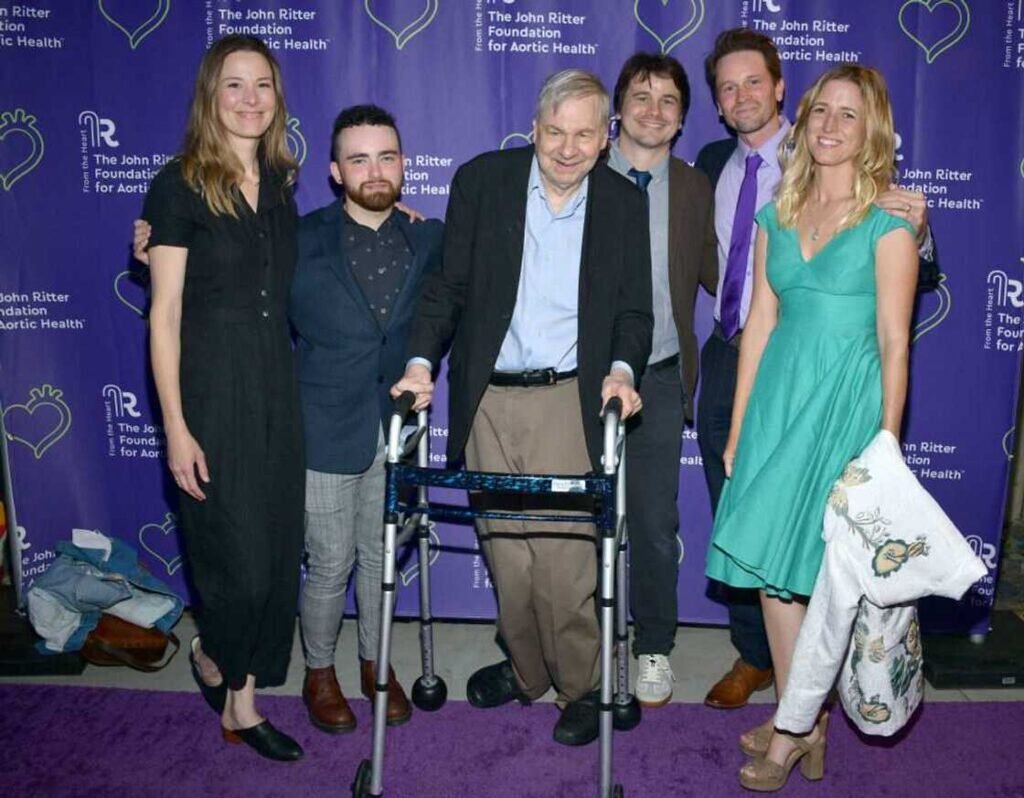
Hollywood has witnessed a wave of next-generation children stepping into or away from the spotlight. Some embrace fame. Others reject it entirely. In the case of noah lee ritter, stepping back appears intentional. That choice contrasts sharply with celebrity culture norms and may inspire others navigating similar pressures.
The renewed interest also underscores how audiences feel personally connected to legacy actors. John Ritter’s enduring popularity keeps public attention alive decades later. When people search for noah lee ritter, they are often seeking continuity—a sense of how stories evolve beyond the screen. It’s nostalgia mixed with modern identity politics, creating a uniquely 2026 media phenomenon.
Quick Facts About Noah Lee Ritter
Noah Lee Ritter was born in 1998 in the United States, making him part of a generation that has witnessed rapid cultural shifts around gender and identity. He is the youngest child of John Ritter and Amy Yasbeck. While he briefly appeared in public events during childhood, he has not pursued a major entertainment career.
Despite ongoing speculation, there are no confirmed reports of active projects in film or television. Instead, noah lee ritter has prioritized privacy. That restraint has fueled intrigue but also admiration. In an industry built on exposure, choosing distance can be an act of empowerment.
What This Means for 2026 and Beyond
The spike in interest around noah lee ritter may fade, but the broader conversation will not. America is in the middle of redefining visibility, privacy, and respect in digital culture. Stories like this become flashpoints because they sit at the intersection of celebrity legacy and modern identity discourse.
Looking ahead, experts predict continued growth in inclusive storytelling across streaming platforms. Younger audiences expect nuance and authenticity. If Hollywood hopes to remain culturally relevant, it must reflect the realities of diverse identities. Whether Noah ever steps forward publicly or remains private, his story has already contributed to that evolution.
Why This Story Resonates Right Now
Timing matters. In 2026, debates over LGBTQ+ rights, media ethics, and celebrity culture dominate headlines. The renewed attention toward noah lee ritter fits squarely within that climate. It’s not just about one individual. It’s about how society responds when personal identity intersects with public memory.
Readers scrolling through Google Discover aren’t just seeking gossip. They’re searching for meaning. The reason this story captures clicks is simple: it blends nostalgia, humanity, and change. And in an age saturated with outrage, a story centered on personal growth feels refreshingly human.
