



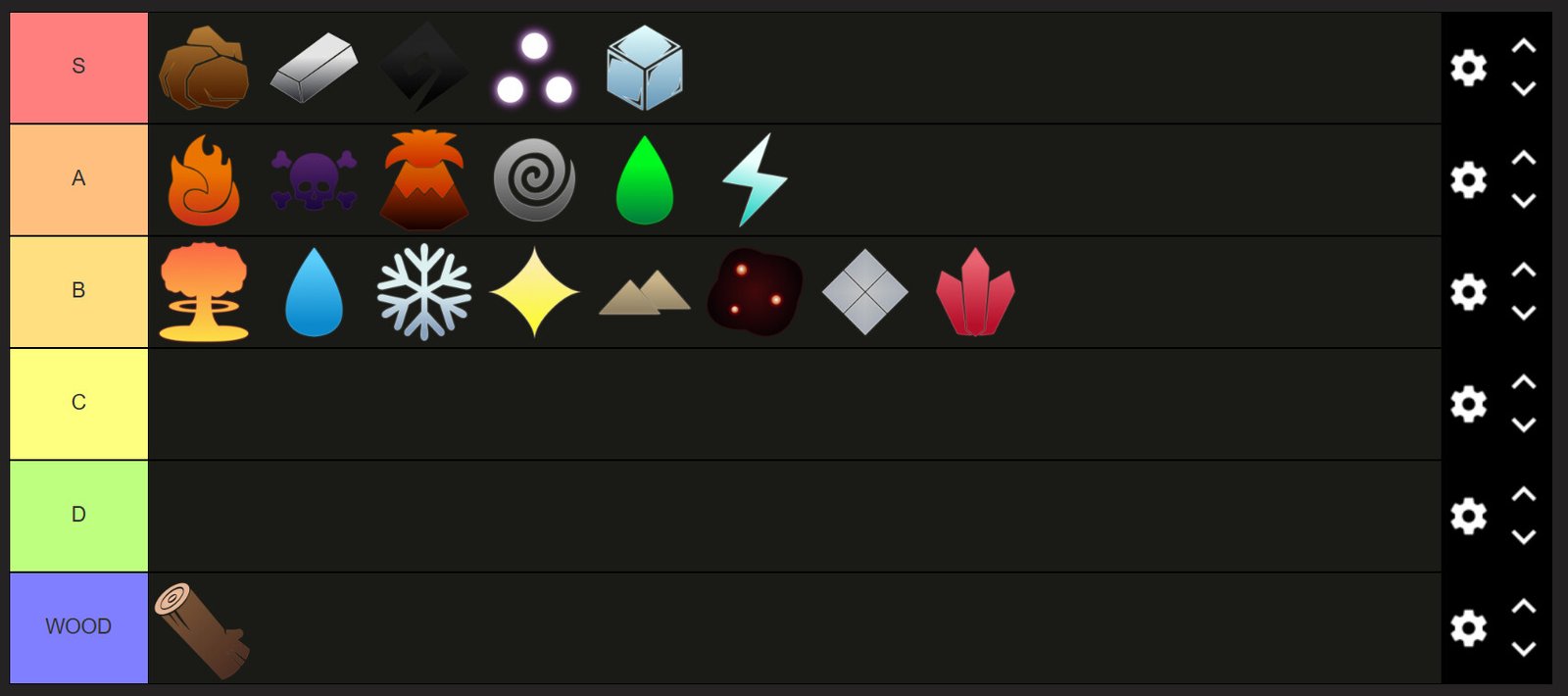
The internet woke up obsessed again. From fast-food fries to billion-dollar tech CEOs, Americans are building a new tier list for just about everything. What started as a niche gaming habit has exploded into a cultural movement dominating TikTok, YouTube, Reddit, and even workplace Slack channels. Scroll through your feed for five minutes and you’ll see it: celebrities ranked S to F, cities compared head-to-head, and the latest gadgets sorted by “vibes.”
But this isn’t just harmless fun. The modern tier list has become a powerful engine of online influence, shaping buying decisions, fandom wars, and even stock conversations. In 2026, ranking culture isn’t slowing down—it’s accelerating.
The Rise of Tier List Culture in America
The term tier list once belonged almost exclusively to competitive gaming communities. Players of titles like competitive fighters and battle royales relied on ranking systems to determine which characters were strongest after every patch update. Over time, this format—S Tier at the top, F Tier at the bottom—proved simple, visual, and addictive.
Today, that same format dominates broader digital culture. On TikTok alone, videos tagged with “tier list” have generated billions of views in the United States. From fast food chains to streaming platforms, creators use the format because it’s fast, controversial, and endlessly clickable. Audiences love it because it feels participatory. Everyone believes their opinion belongs at the top of the board.
Why Tier Lists Go Viral on TikTok and YouTube
Short-form platforms reward bold opinions. A tier list thrives on exactly that. The moment someone places a beloved brand in “C Tier,” comment sections explode. Algorithms detect the engagement spike, pushing the video to more viewers. It becomes a cycle of outrage and curiosity that fuels viral momentum.
YouTube creators have also adapted the format for longer storytelling. Instead of quick rankings, they now build narrative-driven tier list breakdowns. They analyze performance metrics, sales numbers, and cultural relevance before assigning placements. This hybrid approach blends entertainment with analysis, making the content feel both authoritative and relatable.
Gaming Still Leads the Tier List Movement
Despite its expansion, gaming remains the beating heart of the tier list ecosystem. Every major update to a popular title triggers new rankings across Reddit threads and livestream discussions. When a patch changes weapon stats or character abilities, competitive players immediately reorganize the hierarchy.
Esports organizations even use unofficial community tier list debates to gauge audience perception. While pro teams rely on internal analytics, fan rankings influence hype, sponsorship visibility, and social buzz. In that sense, the humble tier list has become a soft power tool in competitive gaming circles across the United States.
Brands Are Paying Attention to Ranking Culture
It didn’t take long for corporations to notice. Marketing teams now intentionally design campaigns that invite consumers to create a tier list featuring their products. Fast-food chains, sneaker brands, and streaming services encourage comparison posts to spark conversation and drive organic reach.
Recent data from digital marketing analysts suggests that user-generated ranking content drives significantly higher comment engagement than traditional ads. When consumers argue over placements, they’re investing time and emotion. That investment translates into brand awareness and, often, purchases. The ranking format turns passive scrolling into active participation.
The Psychology Behind Our Obsession With Ranking
Why does a tier list feel so satisfying? Psychologists point to a basic human instinct: categorization. Our brains crave order. Sorting chaos into levels gives us a sense of control and clarity. In a world overflowing with content and products, ranking simplifies decision-making.
There’s also a social component. Posting a tier list is a subtle declaration of identity. Your placements signal taste, values, and personality. Agreeing with someone builds instant connection. Disagreeing creates debate. Either way, interaction increases. This blend of identity and engagement makes ranking culture deeply sticky.
How Tier Lists Influence Buying Decisions
Consumer behavior experts say the influence is measurable. When tech reviewers publish a smartphone tier list, viewers often gravitate toward devices placed in S or A tiers—even if the price is higher. The visual hierarchy implies authority and trust.
The same pattern appears in entertainment. Streaming audiences frequently watch films or shows after seeing them ranked highly in viral lists. In 2026, a trending tier list can drive traffic spikes for platforms overnight. For businesses targeting American consumers, ranking placement now holds real economic weight.
Data, AI, and the Future of Smart Tier Lists
Artificial intelligence is beginning to reshape the format. Instead of subjective opinion alone, creators now incorporate real-time data. Sales statistics, performance analytics, and audience ratings feed into dynamic ranking systems that update automatically.
Tech startups are experimenting with interactive tier list platforms where users can adjust criteria and generate personalized rankings. Want to rank cities based on cost of living, safety, and nightlife? Algorithms can instantly generate a customized hierarchy. As personalization becomes standard, ranking culture may grow even more powerful.
Controversy, Cancel Culture, and Ranking Backlash
Not everyone loves the trend. Critics argue that reducing complex topics to a simple tier list oversimplifies reality. When people rank entire communities, industries, or individuals, nuance often disappears. The backlash can be swift.
In some cases, creators have faced public criticism after controversial placements went viral. Cancel culture dynamics amplify the stakes. What began as playful content can turn serious within hours. This tension adds to the drama—and paradoxically keeps audiences watching.
Quick Facts About the Tier List Boom
Search interest for “tier list” in the United States has surged repeatedly during major gaming releases and pop culture events. Social listening tools show that ranking posts generate significantly more comments than standard reviews. Marketing surveys reveal that Gen Z and Millennials are the most active participants in ranking discussions.
Another interesting shift: workplaces and classrooms are adopting tier list exercises for brainstorming and engagement. Teachers use them to spark debate. Managers use them to prioritize strategies. What started in gaming forums now appears in professional environments across the country.
What Happens Next in the Ranking Revolution?
The tier list format shows no signs of fading in 2026. If anything, it’s evolving. Experts predict integration into augmented reality experiences, where users can rank real-world locations on the spot. E-commerce sites may soon allow shoppers to sort products into personalized tiers before checkout.
As digital culture continues to reward bold opinions and visual simplicity, ranking systems fit perfectly. They’re fast, interactive, and emotionally charged. Whether it’s fast food, fantasy characters, or financial apps, Americans are likely to keep building—and battling over—their next tier list.
